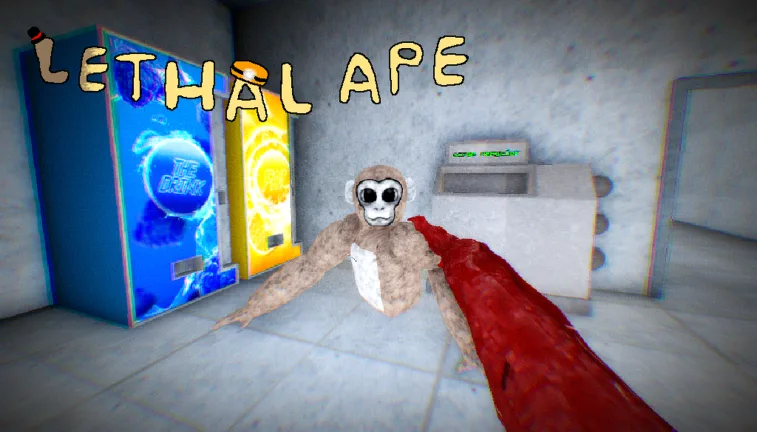
Exploring Blud and Dlud: Lethal Ape Lore and Gameplay Secrets
Dive into the dark lore of Lethal Ape on Roblox, including the mysterious relationship between Blud and Dlud and the tragic stories behind the laboratory's monsters.
Published: Lethal Ape Wiki Editorial Team
Table of Contents
Blud and Dlud in Lethal Ape Lore
If you have spent any time in the dark, claustrophobic corridors of the laboratory in Lethal Ape, you know that the game is about much more than simple survival. While the jump scares and the looming threat of mutated monsters keep your heart racing, the underlying lore—particularly concerning characters like Blud and Dlud—adds a layer of tragedy and mystery that keeps the community digging deeper.
The game, developed by gub_dev, places you in the role of a monkey—an experiment—trapped within a facility where a substance known as "black slime" has caused horrific mutations. Whether you are searching for the secrets behind the "arguing" interactions between the brothers or trying to piece together the history of the facility, there is a wealth of storytelling hidden in the shadows.
Who Are Blud and Dlud?
In the vast, terrifying roster of entities found within the Lethal Ape laboratory, Blud stands out as a unique anomaly. Unlike the aggressive monsters that hunt you down, Blud does not pose an immediate threat. He is a smaller, green monkey with a distinct smile who acts more like a player than a predator.
According to community observations and wiki documentation, Blud is a main character who is not harmed by the other monsters in the facility. He is known for his ability to speak and sing, behaviors that set him apart from the mindless, slime-infected entities roaming the halls. His connection to his brother, Dlud, is a frequent topic of discussion among players.
While players often search for specific "arguing" cutscenes or interactions between the two, their presence in the game is characterized by their ability to communicate. Blud, in particular, has been known to deliver lines that hint at his personality, such as referencing SpongeBob SquarePants or commenting on the presence of other monsters like Sandman. This level of self-awareness suggests that Blud retains a level of humanity that the other, more corrupted experiments have lost.
The Mechanics of Survival in Lethal Ape
Navigating the laboratory is a test of nerves. The game utilizes a mix of stealth, resource management, and environmental awareness. You are not just running away from monsters; you are piecing together a puzzle.
How to Survive the Laboratory
Manage Your Light: Always keep a flashlight handy. Many areas of the facility are pitch black, and without light, you are vulnerable to surprise attacks.
Use the Radar: The radar tool is essential for detecting nearby apes. Pay attention to the colors; some creatures are hostile, while others may be passive or neutral depending on your actions.
Watch Your Noise Levels: Certain monsters, like Gus, are blind but have heightened hearing. Moving quietly is often the difference between life and death.
Maintain Visual Contact: Monsters like Blood Man require constant surveillance. If you look away, he will attack.
Utilize the Environment: Use elevators and different pathways to lose pursuers. The map is interconnected, and knowing the layout is key to survival.
The game’s tension comes from the fact that each monster has a specific "gimmick" or behavioral pattern. You cannot treat every threat the same way. Understanding the lore behind each monster often provides a clue as to how they behave.
Tragic Origins: The Monsters of the Lab
The horror of Lethal Ape lies in the realization that every monster you encounter was once an individual—often a worker or a civilian—who fell victim to the laboratory's experiments. The "black slime" is the catalyst for these transformations, turning ordinary beings into twisted, suffering entities.
Lost
A 12-year-old boy abandoned by his parents. After a car accident, he was brought to the lab and force-fed black slime to "heal" him. The slime oozed from his wounds, leading to his current disfigured state. He constantly hunts for his parents but kills others in his confusion.
Dust
A 13-year-old who fell into a laboratory hole on his 14th birthday. He died during the fall, but the slime revived him, increasing his size threefold. He suffers from extreme near-sightedness and attacks anyone he perceives as a threat.
Fearful
A former miner and employee who witnessed the corruption of the lab. After being crushed by an elevator and exposed to acid and slime, he lost control of his body and became a violent, instinct-driven creature.
Meat
Originally a worker, he was tricked into consuming tainted food laced with the black slime. After seven days of hiding, he transformed into a monster made entirely of flesh, driven by the infection.
These stories highlight the game's theme: the cycle of abuse and experimentation. The monsters are not evil by nature; they are victims of circumstance, forced into a horrific existence by the facility's operations.
The Role of Cuss and the Facility's Collapse
To truly understand the story of the Lethal Ape laboratory, one must look at Cuss. Often perceived as a villain, Cuss's story is far more complex. He was the owner of the facility, but his transformation was the result of a confrontation with an employee frustrated by low wages.
When this employee pushed Cuss into a barrel of radioactive material, it didn't kill him; it mutated him. Cuss became stronger and eventually self-aware, capable of speech. However, the corruption within the facility was already too deep. While Cuss initially wanted to destroy the place, the mutation changed him, and he eventually succumbed to the same violent instincts that plague the other experiments.
This backstory is crucial because it establishes that the "evil" in the lab is systemic. It wasn't just one person; it was a series of betrayals and unethical experiments that turned the entire facility into a nightmare.
Community Observations and Tips
Players have spent countless hours documenting the behaviors of these entities. A common piece of community advice is to avoid making assumptions about an entity's hostility until you have observed it.
Tip
Don't Rush into Rooms: Many monsters, like the one known as the "Meat guy" or the various "Killer Apes," have specific spawn points or patrol routes. Take a moment to observe from a distance before entering a new area.
If you are struggling with a specific monster, check the wiki resources or community threads. Often, players have mapped out the specific "triggers" for each entity. For example, knowing that Gus is sound-sensitive allows you to bypass him entirely if you are careful, turning a terrifying encounter into a stealth opportunity.
Frequently Asked Questions
Why does Blud not attack the player?
Unlike the other monsters, Blud is classified as a non-hostile character. Lore suggests he retains more of his original self compared to the corrupted experiments, which is why he interacts with players through speech rather than violence.
Is there a way to "cure" the monsters?
Currently, the lore and gameplay focus on survival and exploration. There is no known mechanic to reverse the effects of the black slime on the creatures. Your primary goal is to uncover the truth and survive.
Where can I find more lore about the game?
Players frequently update the Lethal Ape Fandom Wiki. Additionally, paying attention to the environment—reading notes left in the lab and observing the monsters' behaviors—is the best way to piece together the story yourself.
Does the map change?
While the core laboratory layout remains consistent, the game often features different areas like the forest or the backrooms. Always be prepared for your environment to shift as you progress deeper into the facility.
The world of Lethal Ape is deep, depressing, and endlessly fascinating. Whether you are a fan of the lore or just looking to survive your next run, remember that every monster has a story, and every shadow in the laboratory might hide a piece of the puzzle. Keep your flashlight charged, your ears open, and never stop questioning why the experiments were started in the first place.